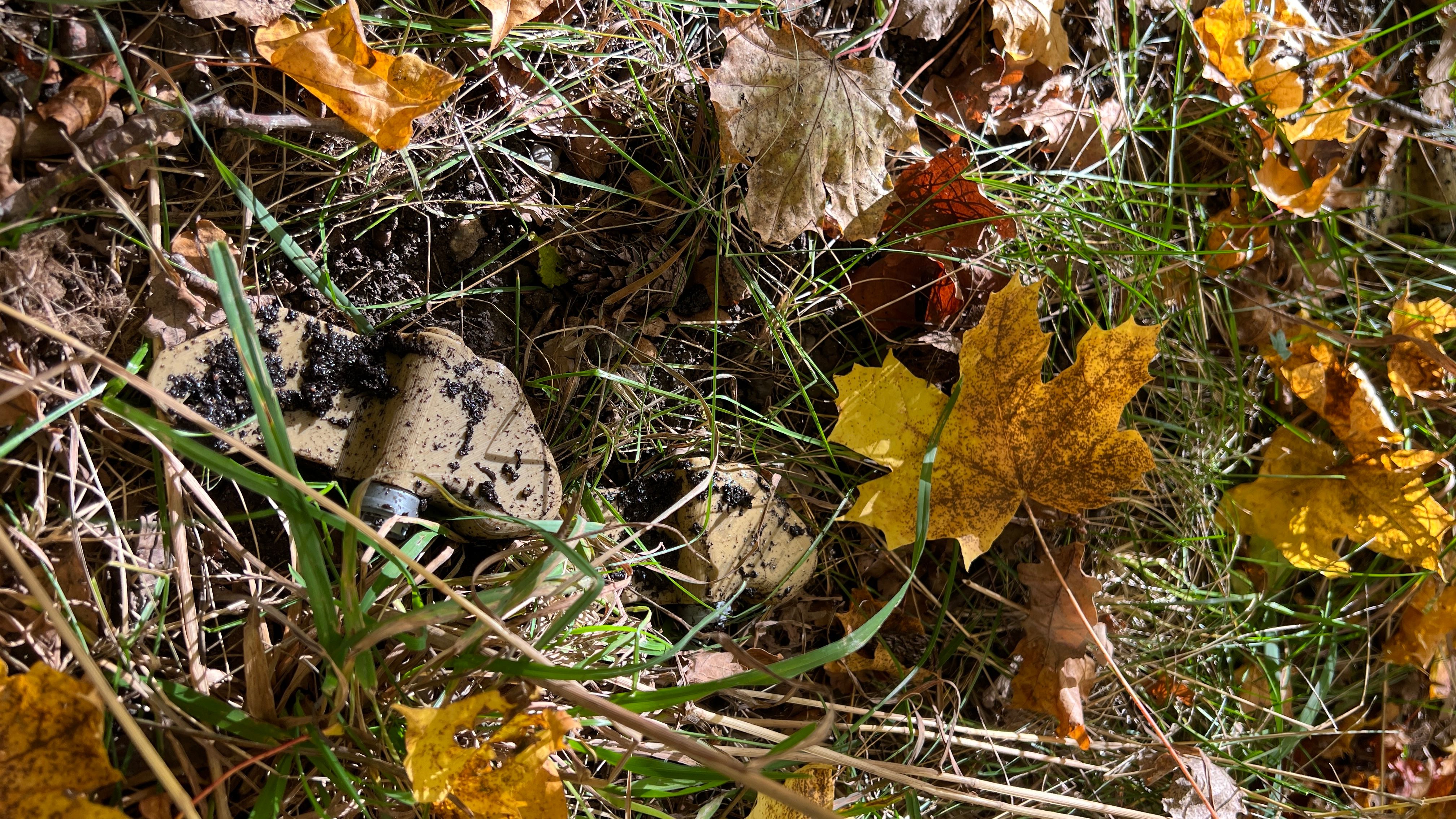
The Mine System — Training Replicas
Our training system for Public Safety professionals — those who protect and save lives.
Anti-personnel mines
Anti-personnel mines are targeting individuals and are used to impede movement or protect positions. They may be activated by pressure, tripwire, or remote initiation and are found in both metal and plastic variants. Training replicas are used to develop recognition skills and to practise safe handling in mine-affected terrain.
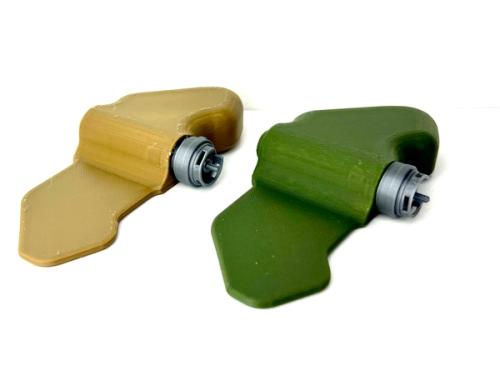 PFM-1 "Butterfly mine" Photo: CasuPrev Group AB
PFM-1 "Butterfly mine"
The PFM-1 is a pressure-activated anti-personnel mine used in large numbers by russia during its war of aggression against Ukraine. The “butterfly mine” has been widely criticised because of its resemblance to a toy, which may entice children to pick it up. Contact or pressure can result in severe injury or death.
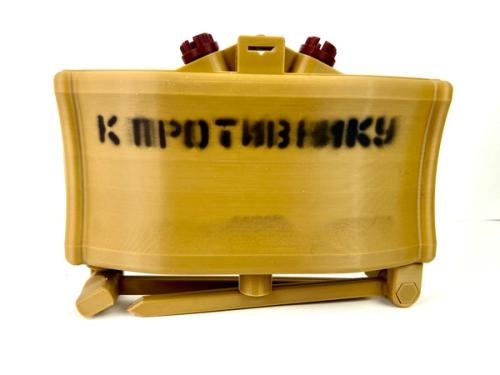 MON-50 Photo: CasuPrev Group AB
MON-50
The MON-50 is a soviet-/russian-made directional anti-personnel mine. It projects a focused arc of metal fragments towards a target to halt or delay advancing troops. The MON-50 can be initiated remotely using an electric detonator, via a sensor, or manually through a command wire.
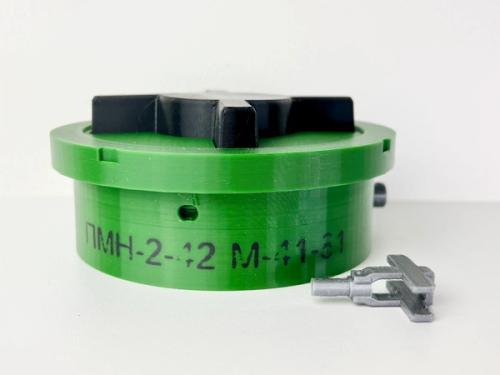 PMN-2 Photo: CasuPrev Group AB
PMN-2
The PMN-2 is a classic Soviet-/russian pressure-activated anti-personnel mine. It consists of a plastic or bakelite casing in which pressure on the spring-loaded top plate activates the detonator. This mine is currently among the most widely deployed in Ukraine.
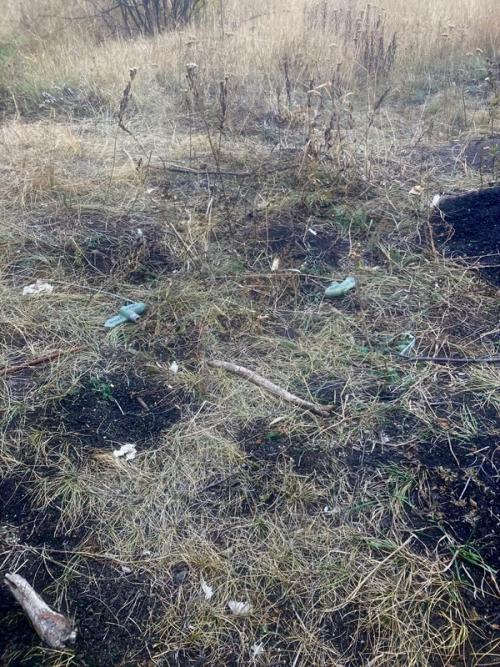 Mine-Contaminated Terrain, Training Exercise. Pokrovsk oblast – October 2025. Photo: Magnus Ek
Eleven different anti-personnel mine replicas
The Mine System with replicas currently includes eleven different anti-personnel mines with corresponding fuzes. Ten different replica fuzes and remote initiation devices connected to the relevant mines are available. Additional items may be presented here in the future.
Fuzes for Anti-Personnel Mines
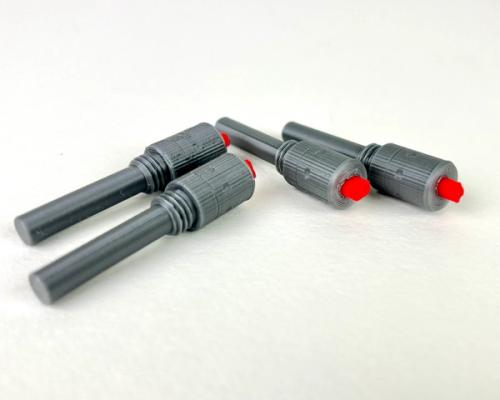 Fuze replicas for Anti-Personnel Mines. Photo: CasuPrev Group AB
Ten different Fuze replicas
Each mine is supplied with one or more fuze variants. In some cases, the fuzes are already fitted to the mine; in others, they are provided separately and can be attached as required. We offer a well-developed selection of commonly requested fuze types, such as the EDPr shown in the image. These different fuze options enable EOD instructors to easily vary the configurations demonstrated and to tailor both theoretical and practical training to specific needs.
Anti-Vehicle Mines
Anti-vehicle mines are designed to damage or disable military vehicles. They are emplaced on roads, bridges, or in terrain and may be activated by pressure, magnetic influence, or sensors. Replicas are used in training to demonstrate risk zones, emplacement methods, and clearance techniques.
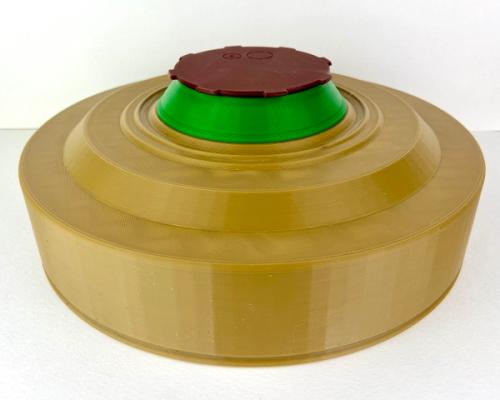 TM-62 + MVCH-fuze. Photo: CasuPrev Group AB
TM-62 with different fuzes
The TM-62 is one of the most widely deployed soviet-/russian anti-vehicle mines and is frequently used in Ukraine to disable armoured and transport vehicles. The mine is pressure-activated but can also be fitted with magnetic or time-delay fuzes. The TM-62 is emplaced manually but also deployed from the air.
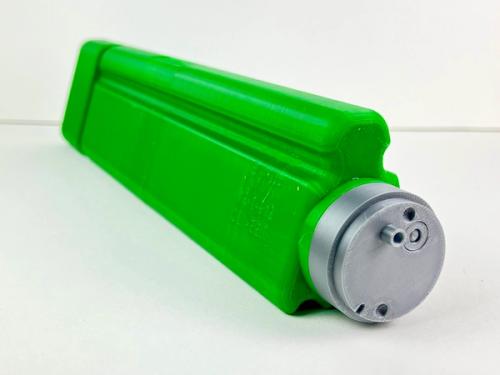 PTM-1s Photo: CasuPrev Group AB
Scatterable Anti-Vehicle Mine
The PTM-1S is designed for deployment by artillery systems, aircraft, or rockets. The mine incorporates a magnetic sensor and is capable of self-destruction after a preset time. It is manufactured primarily from plastic, making it difficult to detect using metal detectors.
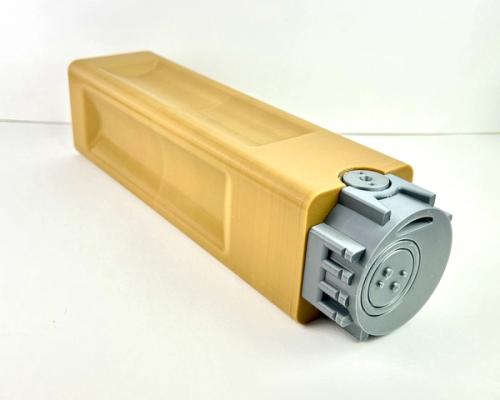 PMN-3 Photo: CasuPrev Group AB
PTM-3 Magnetically Activated Anti-Vehicle Mine
The PTM-3 is an advanced anti-vehicle mine used by russian assault forces in Ukraine. It is scatterable, meaning it can be deployed by artillery, rockets, aircraft or specialised mine-laying vehicles. The mine is released or dispersed over an area and automatically arms itself after landing.
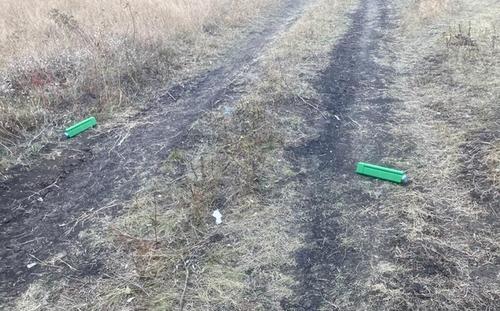 Mined Road. Pokrovsk Area, Ukraine Fall 2025. Foto: Magnus Ek
Five different anti-vehicle mines
Currently, five different anti-vehicle mines are included, two of which are supported by three separate fuze variants. The fuzes are interchangeable between the relevant anti-vehicle mines.
Booby-Trap Mines
Booby-trap mines are used to injure personnel and hinder clearance operations through surprise. They may be triggered when an object is moved, a door is opened, or someone passes a concealed sensor. Training replicas are used to develop risk assessment skills, recognise warning indicators, and practise the safe handling of suspicious objects.
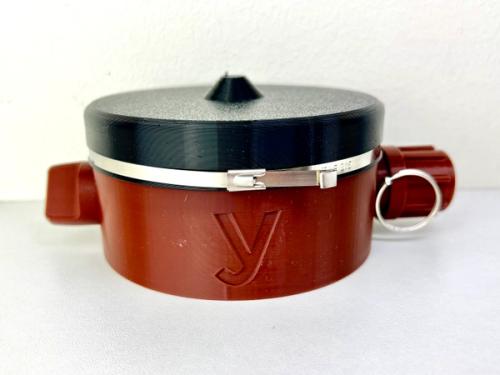 MS-3 Photo: CasuPrev Group AB
MS-3
The MS-3 is a booby-trap mine, meaning it functions in the opposite manner to pressure-activated mines. Booby-trap mines are armed by pressure applied from another object placed on top of them. This object may be an apparently harmless item such as a toy or a household object—or even another mine. When the object is disturbed, moved or lifted, the mine detonates.
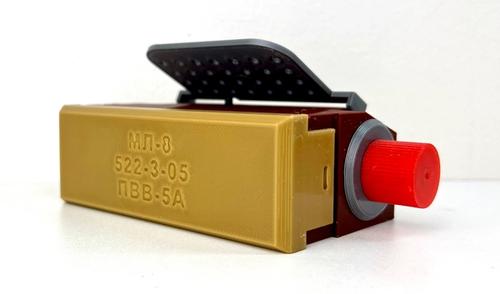 ML-8 Photo: CasuPrev Group AB
ML-8
The ML-8 is a soviet-/russian booby-trap mine designed to detonate when moved, lifted, or otherwise manipulated. The mine can be used independently or attached to objects, doors, vehicles, or ammunition. It has frequently been employed in combination with other types of mines and explosive devices as part of trap systems targeting personnel.
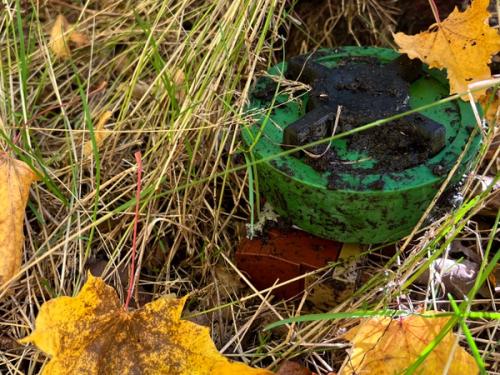 Booby-trap emplacement of a PMN-2 using an ML-8. Photo: CasuPrev Group AB
Tre försåtminor
The mine system includes three booby-trap mines. These are frequently used in Ukraine in combination with both the PMN-2, presented under Anti-Personnel Mines, and the TM-62, presented under Anti-Vehicle Mines.
Indicators
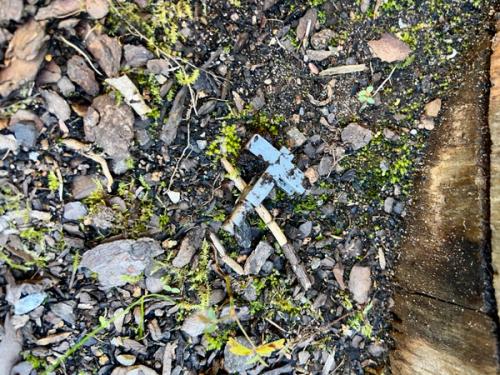 Photo: CasuPrev Group AB
Indicators for Anti-Personnel and Booby-Trap Mines
Ukrainian EOD instructors have requested indicators, such as safety pins removed by the enemy and discarded, which may then remain visible in mined areas. Some anti-personnel and booby-trap mines in our Mine System are equipped with indicators; the indicator shown above is supplied with the PMN-2 replica.